WHAT IS COP21/CMP11?
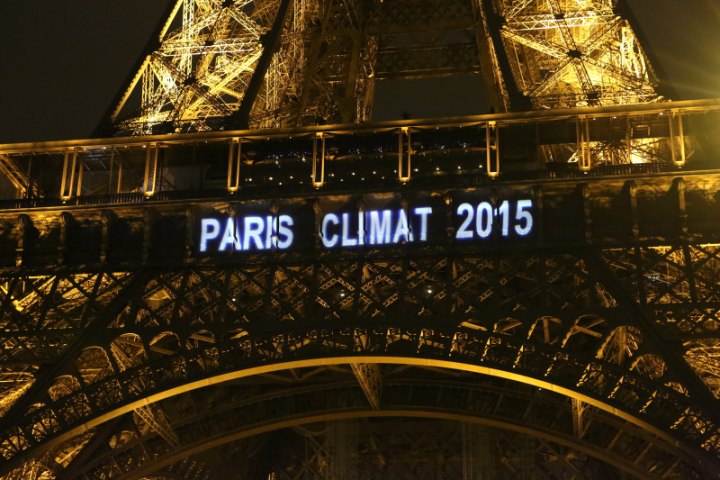
In 2015, France will be hosting and presiding the 21st Session of the Conference of the Parties to the United Nations Framework Convention on Climate Change (COP21/CMP11), otherwise known as “Paris 2015” from November 30th to December 11th. COP21 will be a crucial conference, as it needs to achieve a new international agreement on the climate, applicable to all countries, with the aim of keeping global warming below 2°C. France will therefore be playing a leading international role to ensure points of view converge and to facilitate the search for consensus by the United Nations, as well as within the European Union, which has a major role in climate negotiations.
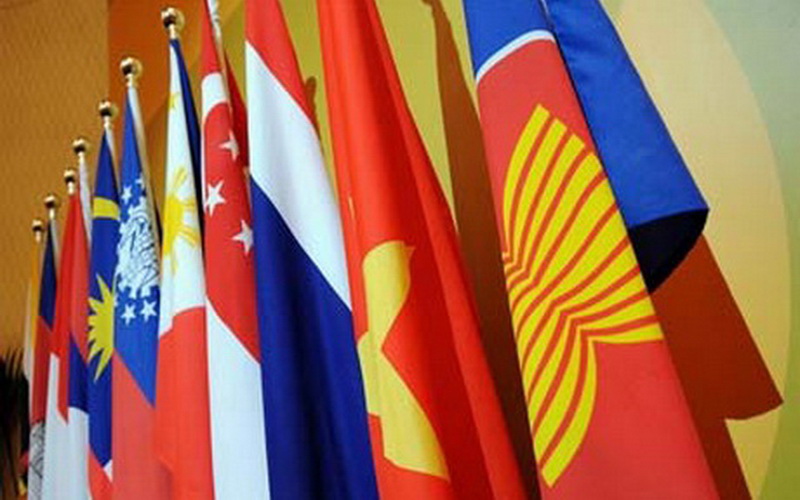
Singapore – “Singapore communicates that it intends to reduce its Emissions Intensity by 36% from 2005 levels by 2030, and stabilise its emissions with the aim of peaking around 2030.” (WRI)
Indonesia – “Indonesia has committed to reduce unconditionally 26% of its greenhouse gasses against the business as usual scenario by the year 2020…Indonesia is committed to reducing emissions by 29% compared to the business as usual (BAU) scenario by 2030.”
Conditional target: “Indonesia’s target should encourage support from international cooperation, which is expected to help Indonesia to increase its contribution up to 41% reduction in emissions by 2030.” (WRI)
Thailand – Thailand intends to reduce its greenhouse gas emissions by 20% from the projected business-as-usual (BAU) level by 2030. The level of contribution could increase up to 25%, subject to adequate and enhanced access to technology development and transfer, financial resources and capacity building support through a balanced and ambitious global agreement under the United Nations Framework Convention on Climate Change (UNFCCC).
Cambodia – offered to cut its GHGs by 27% below 2010 levels by 2030, adding that it expects to receive help finance through bilateral and multilateral mechanisms. (CP)
Laos – Did not set an overall target, but listed a number of projects it would carry out on the condition it received international support, including increasing forest coverage, boosting renewables and implementing transport-focused NAMAS. The projects would cut around 1.8 million tonnes of CO2e annually. (CP)
Myanmar – “Myanmar would undertake mitigation actions in line with its sustainable development needs, conditional on availability of international support, as its contribution to global action to reduce future emissions of greenhouse gases. The document also presents planned and existing policies and strategies which will provide the policy framework to implement identified actions and prioritise future mitigation actions.” (WRI)
The Philippines – Pledging to cut by 70% its carbon emissions by the year 2030, conditional on assistance from the international community. (Rappler)
Vietnam – pledged to keep emissions 8% below BAU levels over 2020-2030, but could increase the target to 25% with appropriate funding. Reductions would be made by cutting carbon intensity and increasing forest coverage. Vietnam adopted a green growth strategy in 2012 that foresaw linking up to the international carbon market. (CP)
Brunei – “Energy sector: to reduce total energy consumption by 63% by 2035 compared to a BusinessAsUsual (BAU) scenario; and to increase the share of renewables so that 10% of the total power generation is sourced from renewable energy by 2035. Land Transport sector: to reduce carbon dioxide emissions from morning peak hour vehicle use by 40% by 2035 compared to a business as usual scenario. Forestry sector: to increase the total gazette forest reserves to 55% of total land area, compared to the current levels of 41%.” (WRI)
Malaysia – Malaysia intends to reduce its greenhouse gas (GHG) emissions intensity of GDP by 45% by 2030 relative to the emissions intensity of GDP in 2005. This consist of 35% on an unconditional basis and a further 10% is condition upon receipt of climate finance, technology transfer and capacity building from developed countries.
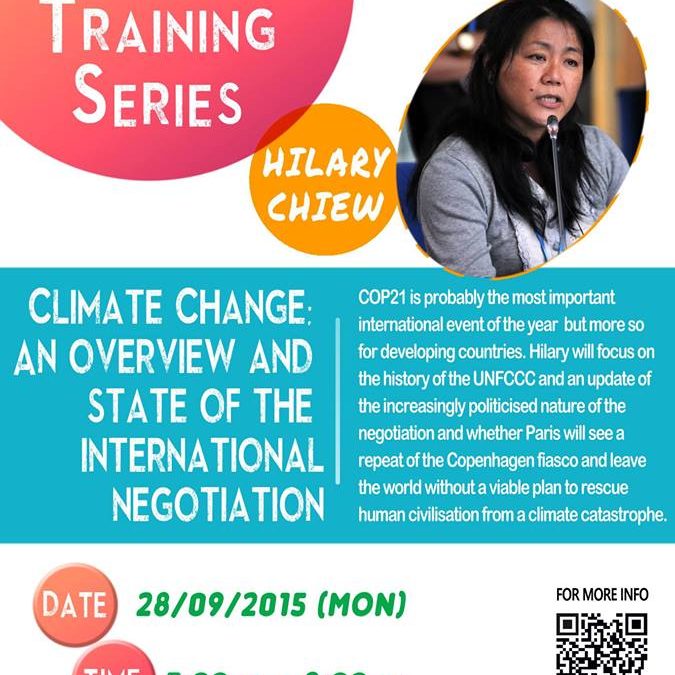
Title: Climate Change: An overview and state of the international negotiation
Training Brief: The presentation will focus on the history (of the UNFCCC and an update of the increasingly politicised nature of the negotiation and whether Paris will see a repeat of the Copenhagen fiasco and leave the world without a viable plan to rescue human civilisation from a climate catastrophe.
Trainer Profile:
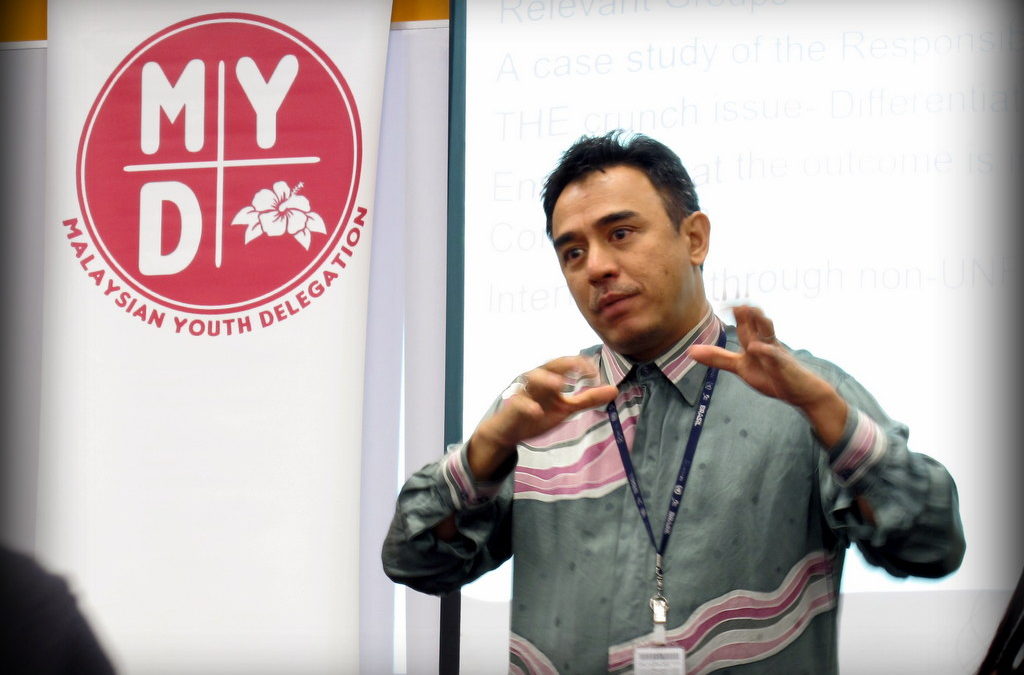
Hillary is from Third World Network a member of Climate Justice Now! Her area of expertise is to track the UN climate change talks and monitoring the development of REDD and carbon trading.
#MYD Training Series – Training on UNFCCC negotiations and media work with various climate experts, government bodies and civil society leaders, from July until Nov 2015. Each sessions will run for 2 hours and will be broadcast live on Google Hangout. Hangout will be available on YouTube for future reference. http://powershiftmalaysia.org.my/myd-training-series/
#MYD – Malaysian Youth Delegation – Malaysian youth climate movement at international United Nations climate conferences, UNFCCC, participants will be mentored and hold engagements with various climate expert bodies and dialogue with Malaysian policy makers and negotiators. http://powershiftmalaysia.org.my/category/myd2015/
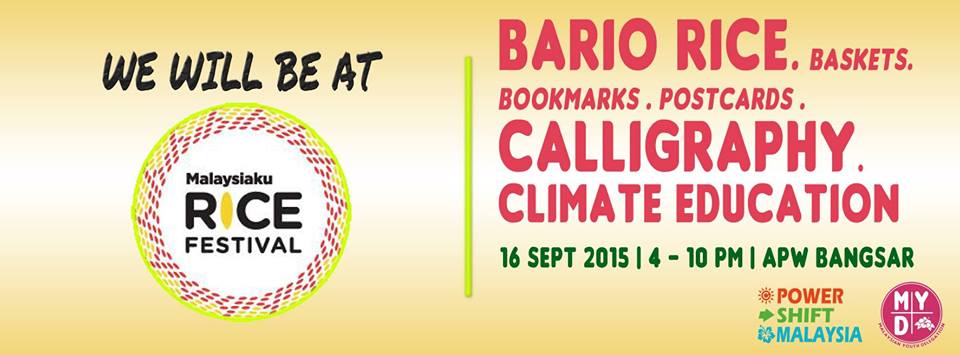
In conjunction with the Malaysiaku event on Malaysia Day, the Malaysian Youth Delegation (MYD) will be there to celebrate this big day!
We will be taking part in the Malaysiaku Rice Festival, educating the public on how climate change affect rice production, as well as raising fund for our COP21 trip this year at Paris.
Do drop by our booth at W14 to find out more about what we do and support our COP21 trip by purchasing awesome local products that we are selling out. Donations are welcomed too.
Title: The power-play within the UNFCCC groupings – Current and Historically
Training Brief: International negotiations are never easy, with many interests, historical perspectives, economic muscles and many more to consider. How does such power-play affects the on-going negotiations in UNFCCC?
Dr.Gary William Theseira is the Deputy Undersecretary of Environment Management and Climate Change Division Ministry of Natural Resources and Environment. He is responsible for policy analysis, development and support for environment management and climate change and sustainable development.
Environmental Management and Climate Change (PASPI)
#MYD Training Series – Training on UNFCCC negotiations and media work with various climate experts, government bodies and civil society leaders, from July until Nov 2015. Each sessions will run for 2 hours and will be broadcast live on Google Hangout. Hangout will be available on YouTube for future reference.
#MYD – Malaysian Youth Delegation – Malaysian youth climate movement at international United Nations climate conferences, UNFCCC, participants will be mentored and hold engagements with various climate expert bodies and dialogue with Malaysian policy makers and negotiators.
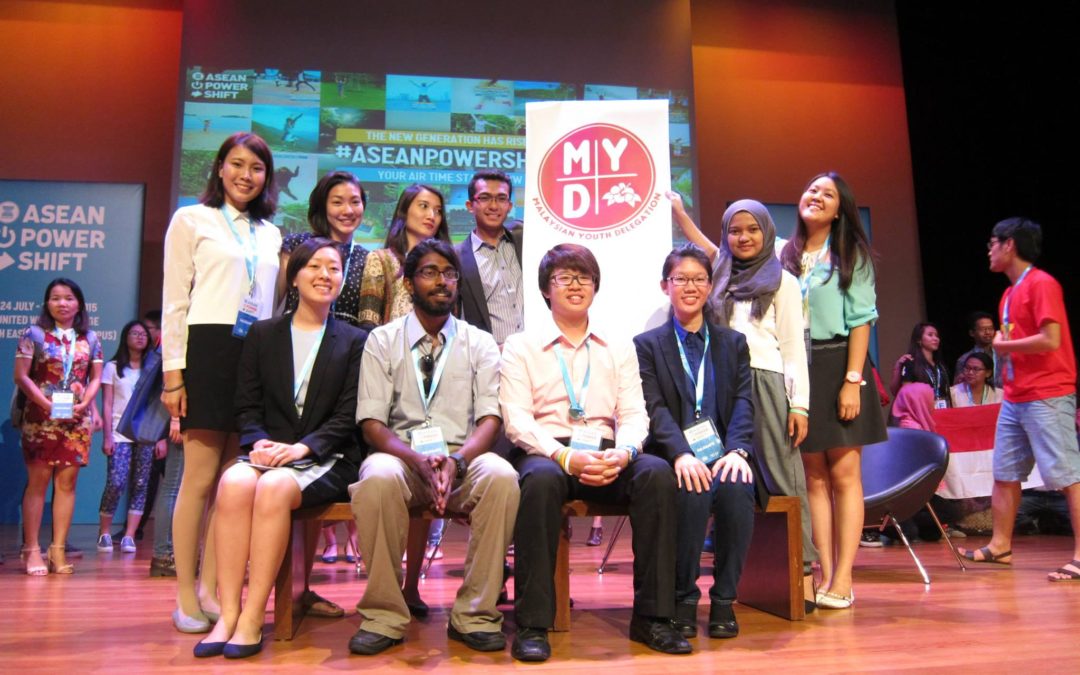
Two months ago, we have recruited and formed the ‘Malaysian Youth Delegation – MYD’ to the upcoming UNFCCC COP21 in Paris end of this year. To find out who they are, click here. #MYD15
Besides aggressively fundraising for the flight and cost, MYD is going through avigorous training regime. The delegation’s tasks include researching and producing informative articles, participating in a ‘mock’ policy negotiation and conducting series of trainings.
One of the strategy of MYD is share the happenings during the COP21 by reporting back to Malaysia. This is done by writing articles, explaining what is happening, to our audience back home. MYD members have to produce monthly articles, part self-learning and part educating our readers. To read their artices and to learn more about UNFCCC, click here.
Getting hands-on or learning on the job, is the best way to soak up experience. MYD have recently participated in a ‘mock’ regional policy statement drafting. After hosting the nationwide online survey, MYD negotiated on behalf of Malaysian youth, upholding our national interest while injecting ambition into the text. It was indeed a fruitful learning experience for all. Read on their journey, click here.
Nothing beats hearing from the experts. MYD Training Series is designed to host climate experts to share on related topics with the youth delegation. The trainers line-up includes, Malaysian negotiators, IPCC scientist, Guardian’s list of top youth climate activist, NGO leaders and media specialist. This training is free and open to the public. To join or see the full list,click here.
At UNFCCC COP 21 in Paris, MYD aims are to:
Represent the youth climate movement of Malaysia
Hold our leaders accountable for their actions and pledges
Pursue justice for those suffering the effects of climate change
Act in solidarity with frontline communities in Malaysia & across the globe
Seek solutions to one of the biggest challenges humanity has ever faced
The structure of the campaign and delegation will be in three primary tracks:
Media: maintain our online social media presence, craft MYD newsletter during COP, write press release template, pitch delegation stories to larger media outlets, track media hits
Mobilization: train delegates for how to plan actions in the UN Space, coordinate with other action planning hubs,
Advocacy: tracking policy development in the UNFCCC, train delegates in advocacy aspects of the UNFCCC and the MYD support strategic policy engagements for the delegation through lobbying and other associated efforts.
Leading up to COP21 we’ll have members of the delegation, who are experienced in fundraising, support others through the process of personal fundraising. If you have more questions or concerns about the financial aspect of COP21, please feel free to reach out to us (powershiftmsia [at] gmail.com).








 One of the strategy of MYD is share the happenings during the COP21 by reporting back to Malaysia. This is done by writing articles, explaining what is happening, to our audience back home. MYD members have to produce monthly articles, part self-learning and part educating our readers. To read their artices and to learn more about UNFCCC,
  Getting hands-on or learning on the job, is the best way to soak up experience. MYD have recently participated in a ‘mock’ regional policy statement drafting. After hosting the
  Nothing beats hearing from the experts. MYD Training Series is designed to host climate experts to share on related topics with the youth delegation. The trainers line-up includes, Malaysian negotiators, IPCC scientist, Guardian’s list of top youth climate activist, NGO leaders and media specialist. This training is free and open to the public. To join or see the full list,